Best Honey Extractors for Small-Scale Beekeepers
A honey extractor spins frames to fling honey out of the comb without destroying it—you can put the frames back in the hive to be refilled. For most beginners with one or two hives, a small manual extractor is all you need and will last years. If you’re serious about keeping bees but not ready to spend thousands, a 2-frame or 4-frame extractor will handle your harvest without taking up a garage.
Best Overall Small-Scale Extractor
The 4-frame honey extractor strikes the best balance for hobbyists who’ve moved past their first season. It holds four frames at once, cuts your extraction time roughly in half compared to a 2-frame model, and still fits in a standard garage or shed. The drum is usually stainless steel, which resists rust and is easier to clean than galvanized metal. Most 4-frame models run between $300 and $500 and will handle 10–15 hives without strain.
The real advantage is speed: if you’re harvesting from three or four hives in late summer, you’re not standing there for hours cranking a handle. The larger capacity also means fewer loading cycles, so you’re less likely to damage frames from repeated handling. Look for one with a sealed honey gate at the bottom—it prevents drips and lets you fill buckets cleanly. A 4-frame extractor is overkill for one hive but sensible if you plan to keep bees long-term.
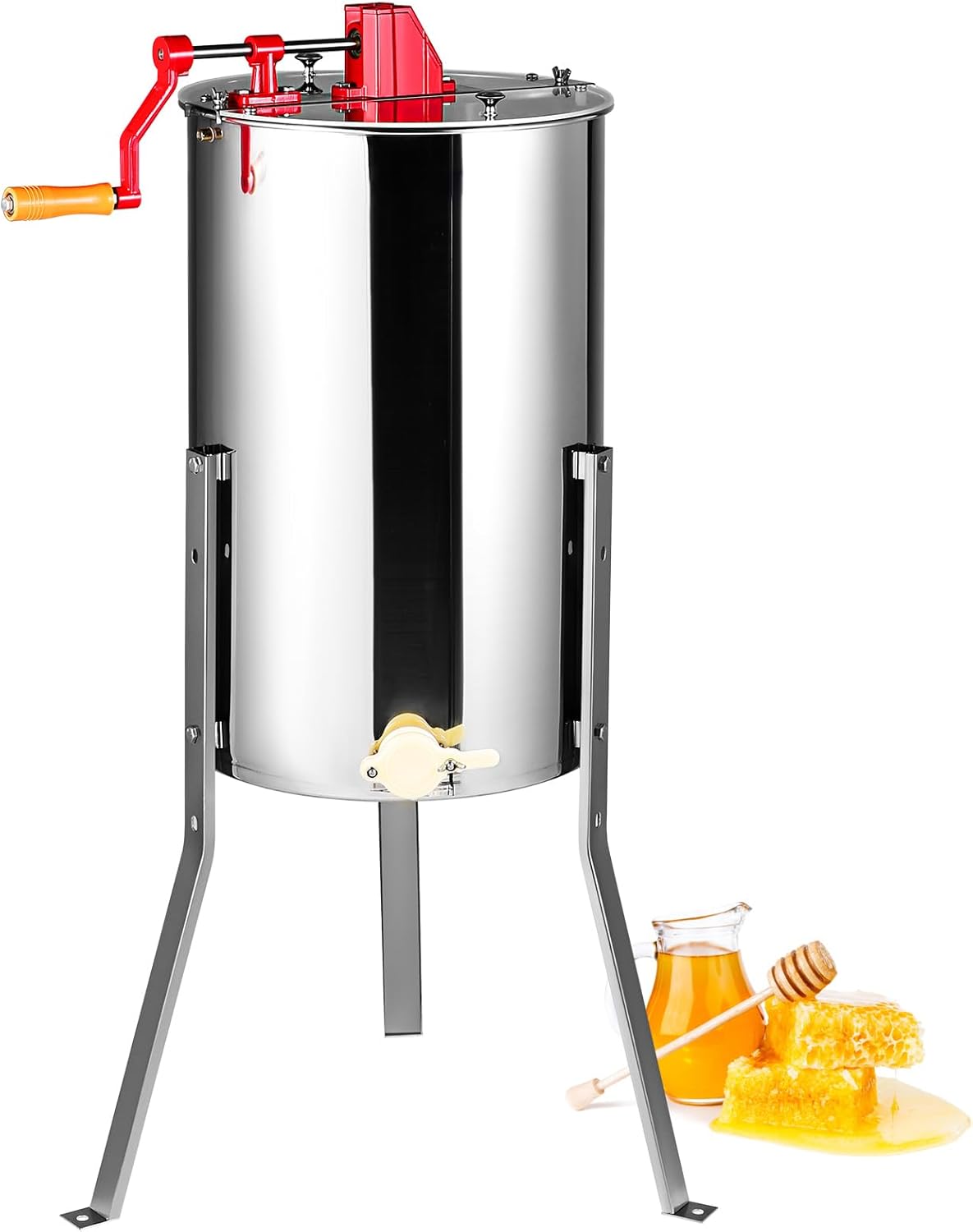
A 4-frame honey extractor is the practical choice if you have three or four hives and want to finish extraction in one afternoon. These typically cost $300–$500 new and handle most small-scale operations without needing an upgrade for years. Look for stainless steel construction and a smooth-spinning basket to reduce strain on your hands and wrists.
Best Budget Option
If you have only one hive or want to spend under $150, a 2-frame honey extractor or a manual honey extractor small scale model will do the job. Two-frame extractors are genuinely adequate for a single hive, and you’ll spend more time cranking, but the work is straightforward and meditative for many people.
The trade-off is simple: you save money upfront and learn the process without a big investment. If you decide beekeeping isn’t for you, you haven’t sunk $500 into equipment. A used 2-frame extractor from a local beekeeper or online marketplace often costs $80–$120 and works just as well as new. Just check that the basket spins freely and the honey gate isn’t corroded shut. For a single hive, this is the honest choice.
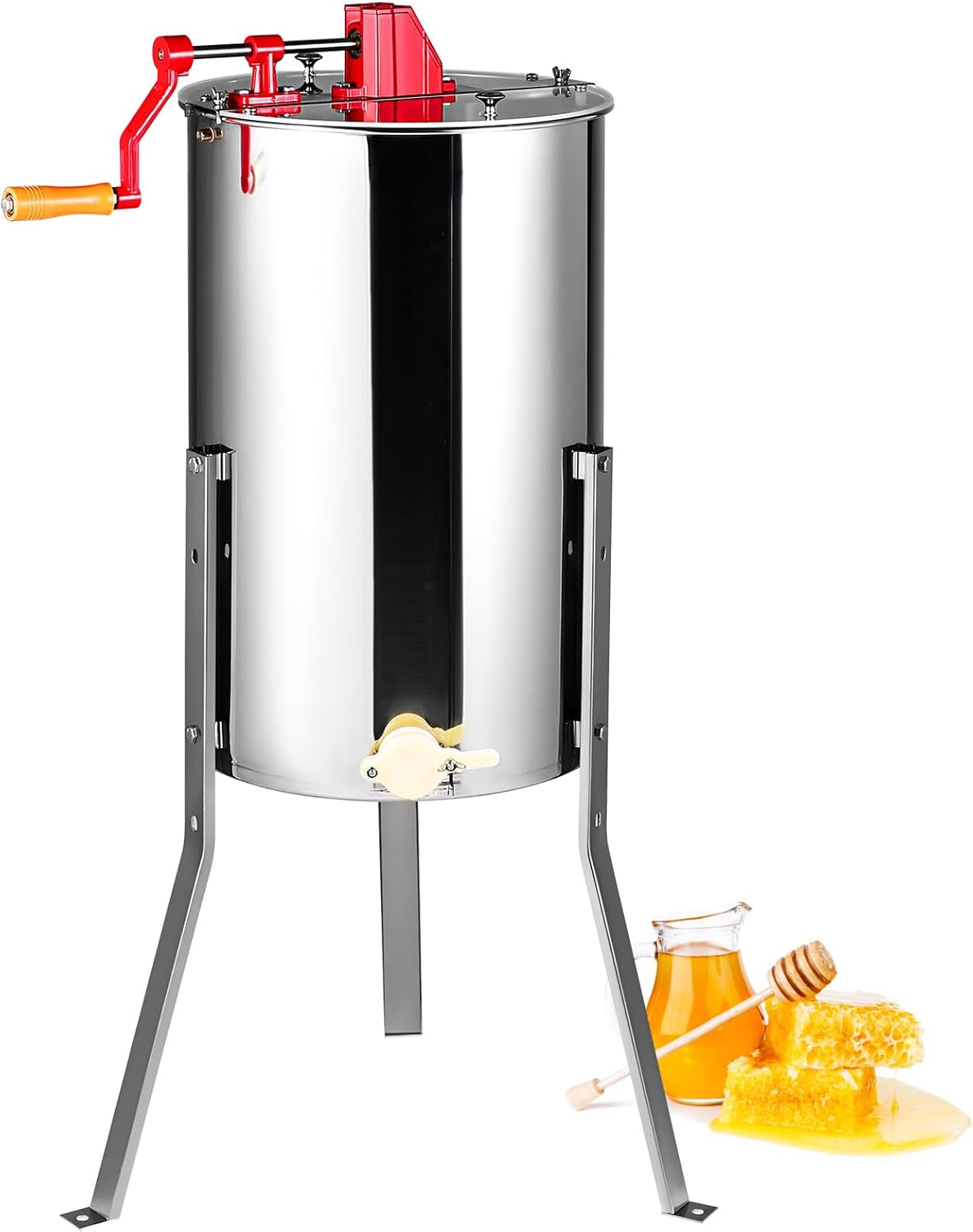
A 2-frame honey extractor is the entry point for most beginners and works reliably for one to two hives. Manual models are simple to use, require no electricity, and cost $100–$200 new or $50–$100 used. They're durable enough to last a decade if you rinse them after each use.
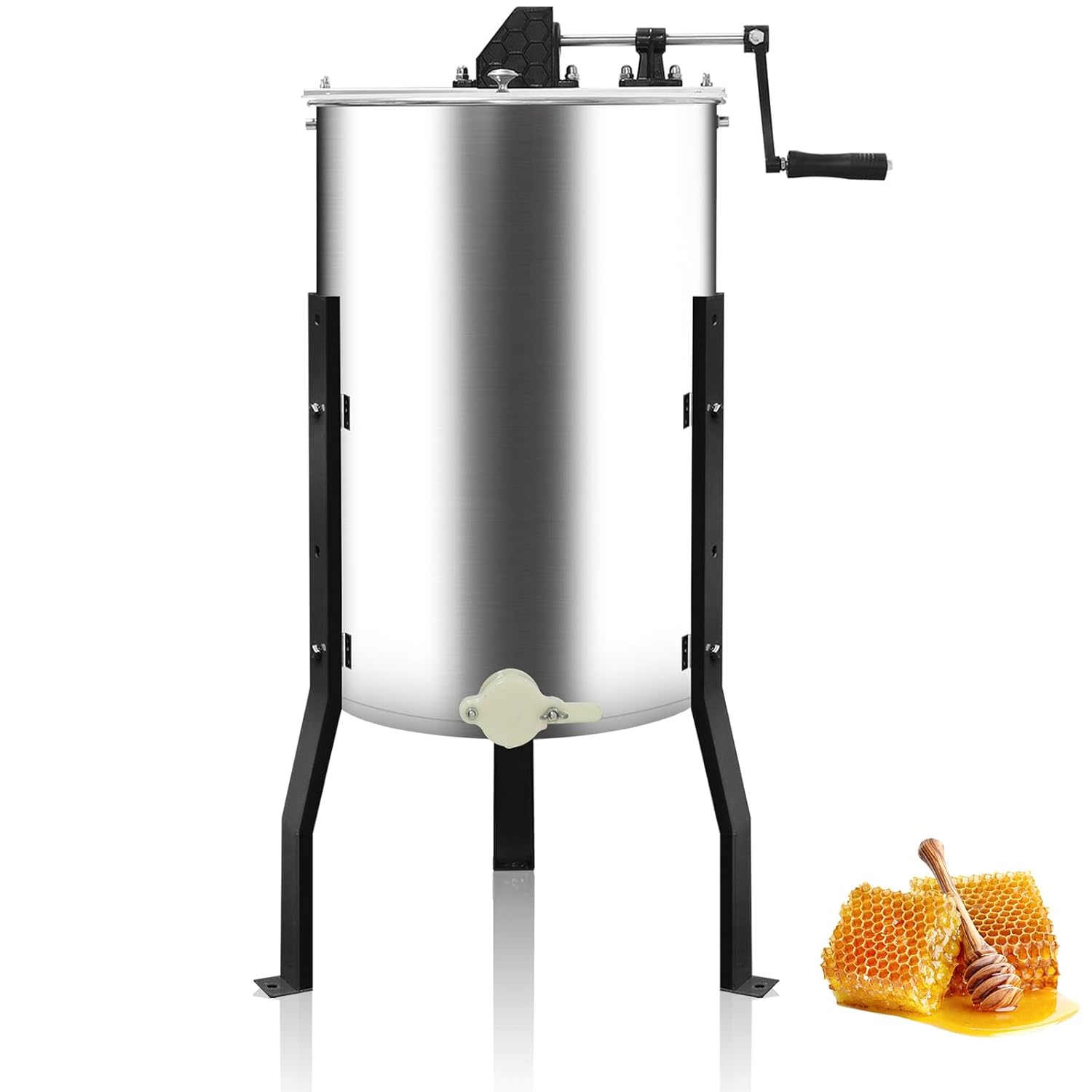
A manual honey extractor small scale model designed for two frames is lightweight and portable, making it easy to store or move between locations. These are often the cheapest option at $80–$150 and work well for beekeepers who extract only once or twice a year. The trade-off is time and effort, but many people prefer the simplicity and low cost.
2-Frame vs. 4-Frame Extractors
A 2-frame extractor holds two frames and requires you to spin, reverse the basket, spin again, then reload. A 4-frame extractor holds four frames and you typically spin one direction until both sides are empty, then flip the basket. The 4-frame is faster per frame but takes up more space and costs roughly twice as much.
For one or two hives, a 2-frame extractor is genuinely sufficient—you’ll extract a full hive’s worth of honey in 20–30 minutes of cranking. For three to five hives, a 4-frame extractor saves enough time to justify the cost and space. Beyond five hives, you’ll start looking at electric models or larger drums. Don’t buy a 4-frame if you only have one hive; the extra capacity sits unused and takes up room. Buy what matches your current setup, not what you hope to have someday.
When You’ve Outgrown a Small Extractor
Once you’re running five or more hives consistently, a small manual extractor becomes a bottleneck. Extraction day takes four or five hours instead of one, and your arms know it. At that point, an electric honey extractor small scale model—usually 6 to 8 frames—starts making sense. These run $600–$1,200 but do the spinning for you, which matters when you’re processing 100+ pounds of honey.
You might also consider a larger cooperative extractor in your area; many beekeeping clubs own shared equipment that members can rent by the hour. This is a smart middle path if you’re between small and serious. Before you buy electric, be honest about whether you’ll actually keep five hives next year or if you’re just optimistic. A 2-frame or 4-frame extractor will serve many beekeepers well for years, and there’s no obligation to scale up.
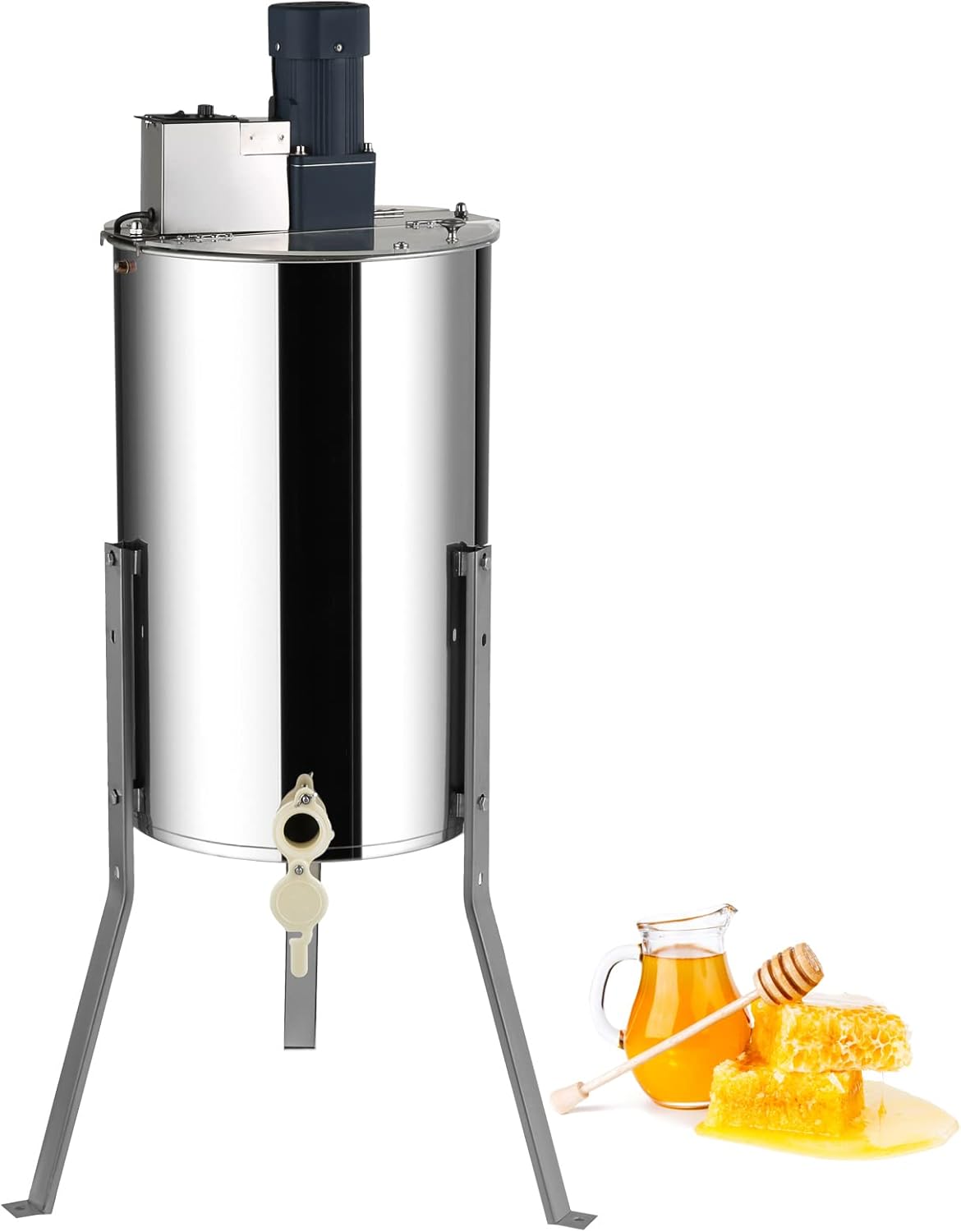
An electric honey extractor small scale model with a motor takes the physical work out of spinning and is worth considering if you have five or more hives or want to extract faster. These start around $600 and can process 6–8 frames at once, cutting extraction time to an hour or less. Only buy one if you're certain you'll use it regularly; it's a significant investment for occasional beekeepers.