How to Sell Honey at Farmers Markets
Selling honey at farmers markets is one of the most rewarding ways to turn your bees into income. But before you fill jars and set up a table, you need to understand the legal side and what actually attracts buyers. This guide covers the real steps to get started—and whether a farmers market is even the right move for your operation right now.
Permits and Requirements to Sell
Your first step is checking your local and state regulations, since honey sales are typically governed by cottage food laws that vary significantly by state — including whether you need a commercial kitchen license, how much you can sell before additional licensing kicks in, and whether you need to register as a food producer. Don’t assume a specific threshold or exemption applies to you.
Contact your state’s department of agriculture and your local health department. Ask specifically about honey sales limits and whether you need a food handler’s permit. Some farmers markets also have their own vendor rules — they may require proof of inspection, liability insurance, or membership in a beekeeping association. Get this information in writing, and start the permit process early since timelines vary by jurisdiction.
You’ll also need to decide on your business structure. Most beginners operate as a sole proprietor (no formal registration needed), but keep records of all sales for tax purposes. If you’re selling more than a few hundred dollars’ worth per year, talk to an accountant about whether you should register as an LLC (a limited liability company — a simple legal structure that separates your personal finances from your business) or file for a business license. Liability insurance is optional but smart, and it protects you if someone claims your honey made them sick.
Presentation and Labeling That Sells
Your honey’s appearance matters as much as its taste. Use clean, uniform jars — 8 oz. or 12 oz. sizes are standard and affordable. Clear glass shows off the color, which signals quality to buyers. Fill jars consistently to the same level so your display looks intentional and professional.
Custom honey labels for jars are worth the investment. A printed label with your name, the harvest date, and a simple design makes you look legitimate and helps customers remember you. Include the weight, your contact information, and any relevant claims (raw, unfiltered, local, etc.). Avoid health or medical claims on your label — statements that suggest your honey treats, cures, or prevents any condition are regulated under FDA rules and can expose you to legal risk. Labels should cover the front of the jar neatly, not wrap around haphazardly. Budget $0.15–0.50 per label depending on quantity and design.
Offer variety if you can. If you have different harvest seasons or flower sources, label them clearly: “Spring Wildflower” or “Fall Goldenrod.” Even small differences give repeat customers reasons to buy multiple jars. Include a tasting spoon so people can sample before buying. This builds confidence and almost always increases sales.
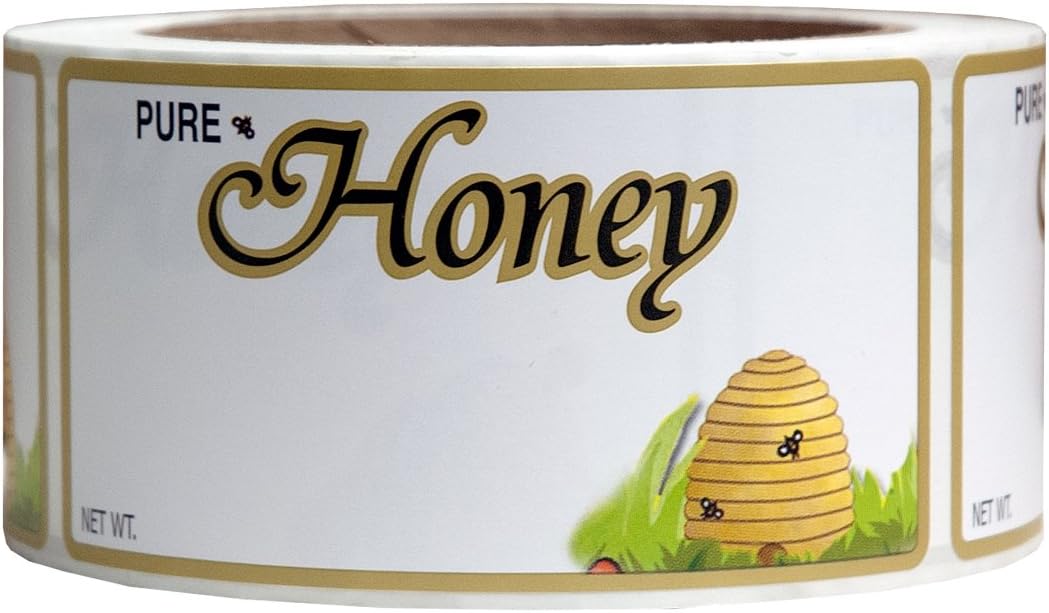
Custom honey labels for jars help you look professional and memorable at a farmers market stand. A simple label with your name, harvest date, and weight turns a plain jar into a finished product that commands fair pricing and builds brand recognition over time.
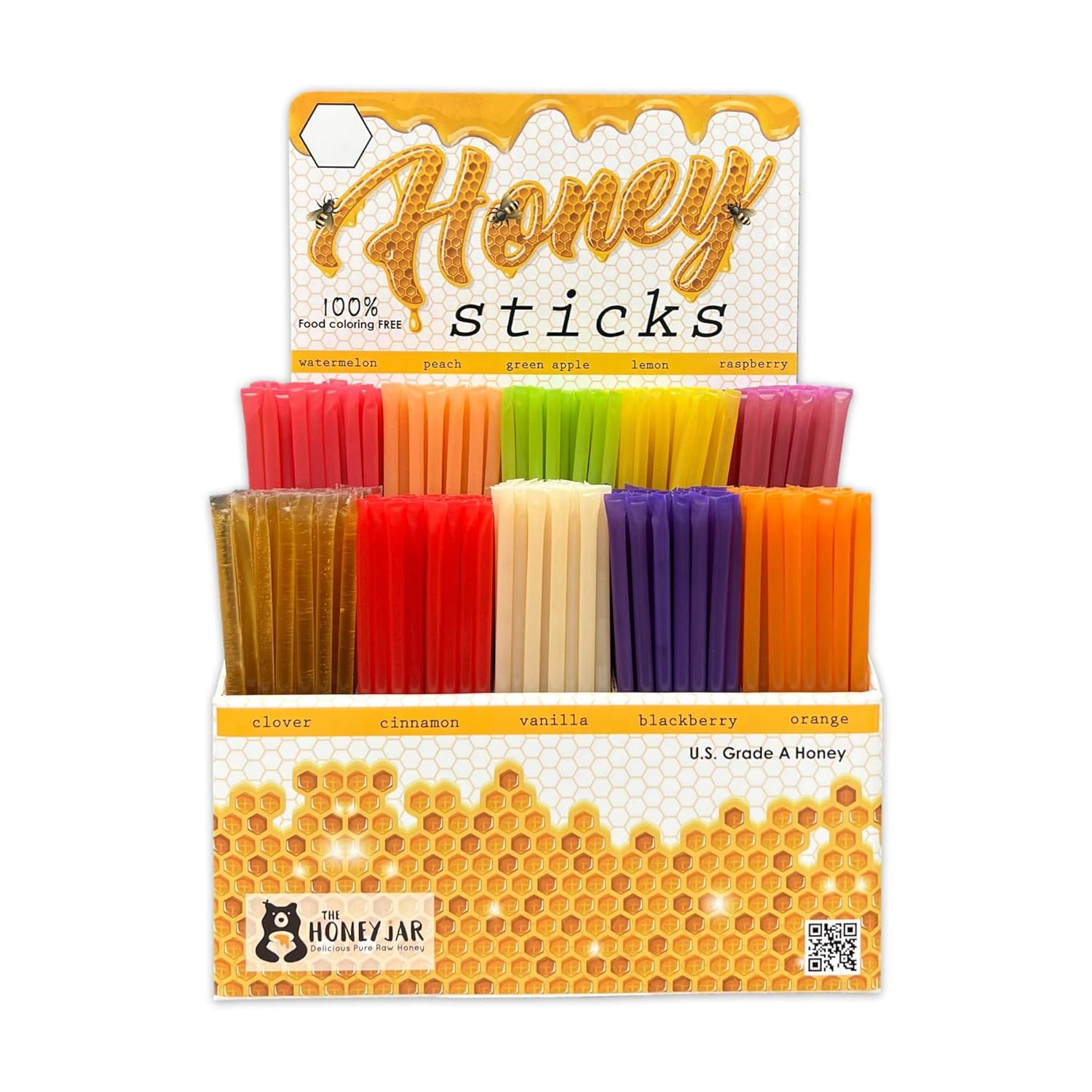
A farmers market display for honey—whether a simple tiered stand, a small table setup, or a branded backdrop—makes your booth visible and organized. Good presentation stops foot traffic and signals that you're serious about your product, which justifies premium pricing and encourages repeat visits.
Pricing for a Market Audience
Price based on your production costs plus a reasonable markup — not on what you see online. Calculate the cost of jars, labels, time, and a small portion of your equipment and bee expenses. Most farmers market honey sells for $12–20 per 12 oz. jar depending on your region and whether it’s raw, infused, or specialty. Urban markets support higher prices; rural markets may be lower.
Don’t undercut other beekeepers at the market. Talk to them beforehand if you can. Undercutting creates tension and doesn’t help anyone’s business. Customers who want cheap honey aren’t your target — people who value local, fresh honey are. Price confidently.
Offer bulk discounts for repeat customers or large purchases, but keep them modest (10% off three jars, for example). This encourages loyalty without cutting into your margin. Some sellers offer a “club” where customers buy three jars upfront and get a discount on future purchases — this builds predictable income.
Building Repeat Customers
The farmers market is where relationships matter. Remember names, ask what customers used your honey for last time, and thank them genuinely. People buy from people they like, and a brief, friendly conversation at the table does more for repeat business than any discount or sign. Make your booth a place people enjoy stopping at, not just a transaction point.
Give out business cards or a simple contact list so customers can order directly or find you next week. Some beekeepers collect emails and send a monthly note about what’s in season. Keep it brief — just “Wildflower honey is ready now” or “We’ll be at the market every Saturday through October.”
Stock consistently. If you’re only at the market sporadically, people won’t rely on you. Commit to a regular schedule and stick to it. If you miss a week, let your regulars know why.
Consider offering small jars (4 oz.) as gifts or samples. They’re cheap to produce and let new customers try your honey low-risk. You’ll convert some to regular buyers.