Manual vs. Electric Honey Extractor
A honey extractor spins frames to fling honey out of the comb so you can collect it without destroying the wax. If you’re keeping just one or two hives, you might not need an extractor at all—crush-and-strain methods work fine. But if you want to keep your comb intact and reuse frames year after year, an extractor is worth considering. The choice between manual and electric comes down to how much time you want to spend cranking, how much you’re willing to spend upfront, and how many hives you’re actually running.
Effort and Speed Differences
A manual honey extractor requires you to turn a crank or handle repeatedly while the basket inside spins the frames. For a small batch—say, four to eight frames from one hive—you’ll spend 5 to 15 minutes of steady cranking, depending on how thick the honey is and how fast you turn. Your arm gets tired. If you’re extracting from multiple hives or doing this during peak season, manual extraction becomes tedious work. The speed depends entirely on your effort: crank faster, finish sooner, but you’ll feel it.
An electric honey extractor does the spinning for you. You load the frames, press a button or switch, and walk away. Most electric models finish a full load in 3 to 5 minutes with minimal physical effort. You’re mostly just loading and unloading frames. For beekeepers with three or more hives, or anyone who values their free time, this is a significant quality-of-life difference. You can extract honey while doing other tasks instead of standing there cranking for half an hour.
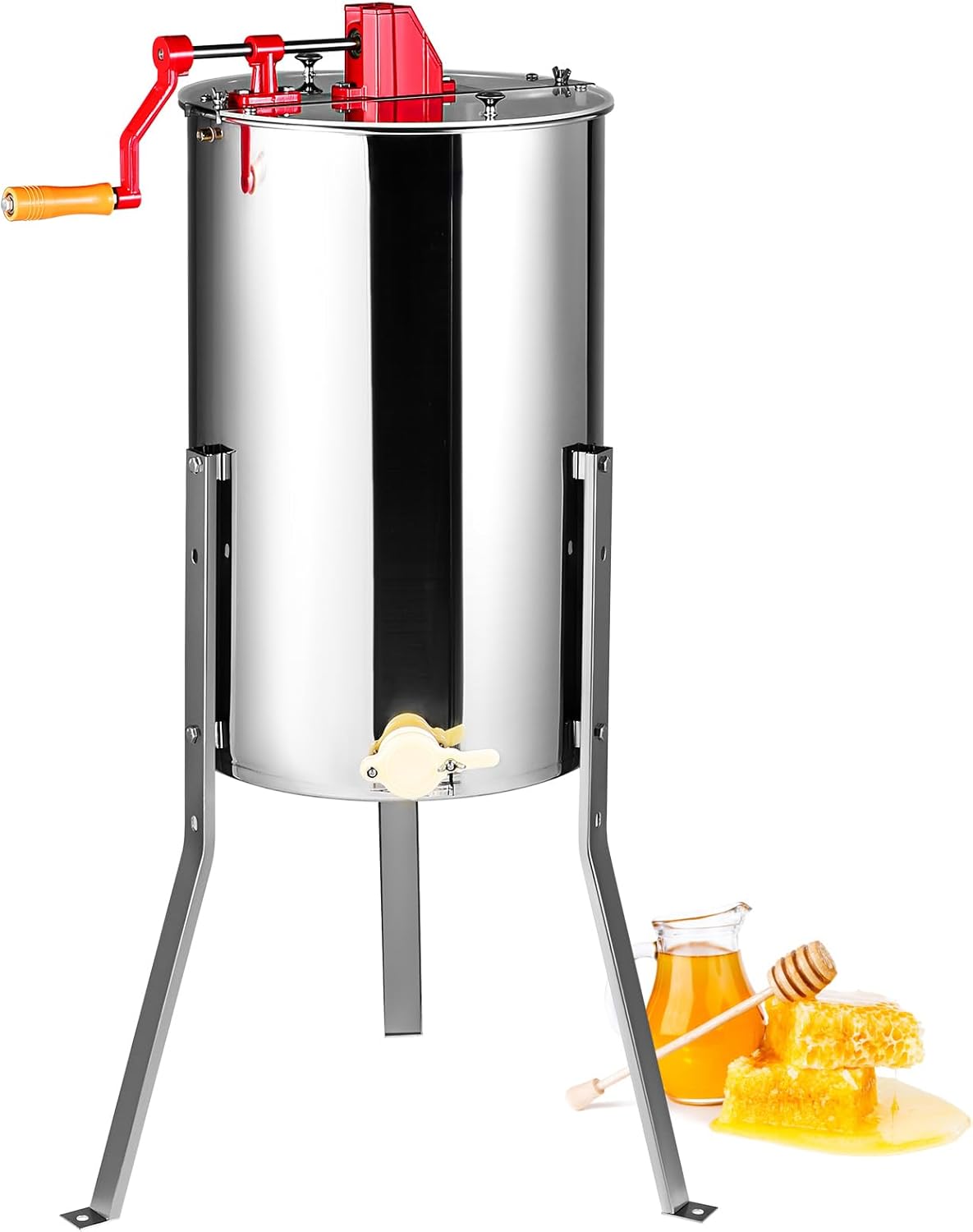
A manual honey extractor is a good starting point for small-scale beekeepers who want to keep their comb intact without spending much money upfront. Look for models with a stainless steel drum and a sturdy crank handle; they're durable and easy to clean.
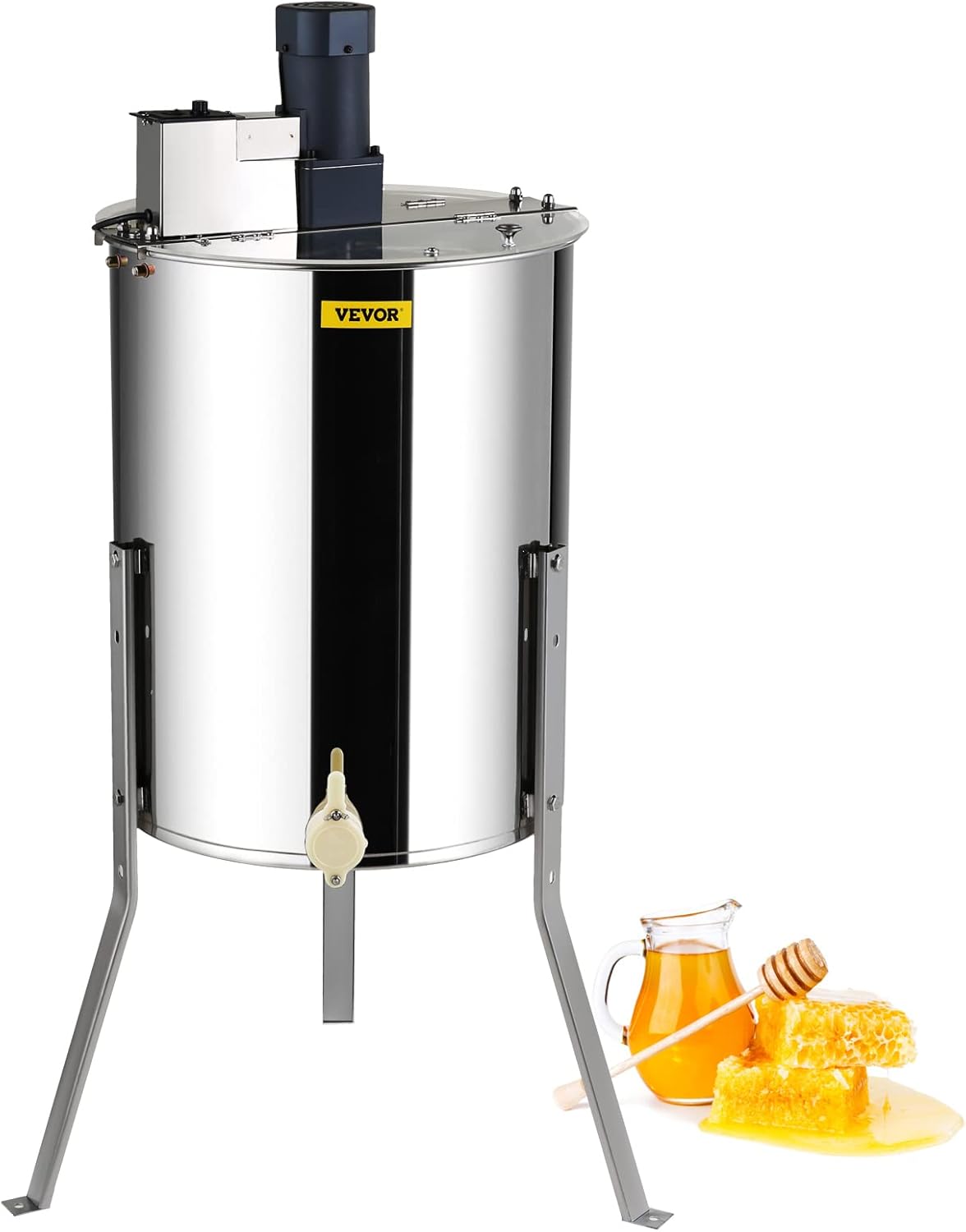
An electric honey extractor makes sense if you're running multiple hives and want to spend less time on extraction day. Choose one with variable speed settings so you can adjust for different honey viscosities, and verify that replacement parts are available from the manufacturer before buying.
Price Differences
Manual honey extractors are cheap. A basic model runs $150 to $300, sometimes less. You’re paying for a metal drum, a basket, and a hand crank—simple mechanics, low manufacturing cost. This makes it an easy entry point if you’re not sure whether extraction is worth the investment.
Electric honey extractors cost $400 to $1,200 or more, depending on capacity and build quality. You’re paying for a motor, a control system, and sturdier construction to handle repeated use. Some beekeepers see this as expensive; others see it as reasonable for the time saved over several seasons of extraction. If you’re only keeping one hive and extracting once a year, the electric model is hard to justify financially. If you’re running five hives and extracting twice a season, the math shifts.
Reliability and Maintenance
Manual extractors are bulletproof. There’s almost nothing to break. The crank might loosen over time, and the basket can wear, but parts are simple and replaceable. Cleaning is straightforward: rinse it out, dry it, store it. They last decades with minimal care. The main wear point is your shoulders after a few seasons of heavy use.
Electric extractors have more moving parts: a motor, bearings, wiring, and sometimes a timer or speed control. Motors can burn out, bearings wear, and electrical connections can corrode. Maintenance is more involved—you need to keep the motor dry, check bearings periodically, and store it carefully. Most electric models last 10 to 15 years with reasonable care, but repairs are more expensive when something breaks. Parts availability varies by brand, so buy from established manufacturers with good customer support.
Which One Fits a Small Operation
For one or two hives, a manual honey extractor is the right call. You’re extracting maybe 10 to 20 frames per year. The cranking time is short, the cost is low, and you don’t need to worry about electrical reliability. It’s also easier to store in a small space.
For three to five hives, you’re at the crossroads. If you enjoy the physical work and don’t mind spending an hour or two extracting, manual is still fine. If you’d rather spend that time on hive inspections or other beekeeping tasks, an electric extractor starts to make sense. You’ll recoup the extra cost in saved time and reduced frustration over a few seasons.
For five or more hives, or if you’re selling honey and extracting multiple times per season, an electric honey extractor is the practical choice. The time savings are real, and the convenience encourages you to extract more often, which is better for your bees and your honey quality.