Warre Hive Pros and Cons
A Warre hive is a vertical, box-stacking design that mimics how bees build comb in nature, requiring less opening and manipulation than conventional hives. It appeals to beekeepers who want a hands-off approach, but it comes with real trade-offs in inspectability and pest management. This guide compares it honestly with the Langstroth hive so you can decide if it’s right for you.
Pros: Low-Intervention Management
The Warre hive’s main appeal is simplicity. You stack identical boxes vertically as the colony grows downward, adding new boxes beneath the brood nest rather than above. This means minimal disturbance to the bees—you’re not cracking open the hive every week to inspect frames. Many beekeepers report that Warre colonies are calmer because they’re left alone more often.
The design also aligns with natural bee behavior. Bees naturally build comb downward and cluster in a tight ball, so the Warre hive’s vertical arrangement works with their instincts rather than against them. You don’t need to manage as many frames or worry about precise spacing the way you do with a Langstroth hive.
Harvesting is straightforward: you simply remove the top box and leave the rest for the bees. No extracting equipment needed if you’re doing crush-and-strain harvesting — a method where you crush the comb by hand and strain the honey through a mesh, rather than spinning it out in a mechanical extractor. For hobbyists who want honey without industrial-scale processing, this appeals strongly.
The hive is also cheaper to build or buy than a full Langstroth setup, especially if you’re handy. Plans are freely available online, and the boxes are simple wooden cubes.
Cons: Harder to Inspect and Treat
Here’s where the Warre hive shows its limits. Because frames are stacked vertically and bees build comb in all directions, you cannot easily pull individual frames to inspect for disease, pests, or the queen. If you need to check for American foulbrood or monitor varroa mite levels, you’re largely guessing. This is a serious problem if disease strikes.
Treating for pests becomes difficult too. Varroa mites are a real threat to most hives, and the most effective treatments require you to apply medication between frames or monitor mite drop on a screened bottom board. A Warre hive makes this clumsy. You can use some treatments, but your options narrow significantly.
If the colony swarms or the queen fails, your options for intervention are limited. You can’t easily find and clip the queen’s wings, and re-queening is messier. A beginner facing a swarm or a failing queen may feel helpless.
The hive also requires more guesswork about colony strength and food stores. Without pulling frames, you’re estimating weight by lifting the boxes and hoping you left enough honey for winter. Get it wrong, and your bees starve.
Finally, not all beekeepers agree on Warre hive management. Inspections, when necessary, are awkward—you’re often breaking apart the entire stack to reach lower boxes. It’s doable but frustrating and stressful for both beekeeper and bees.
Warre vs. Langstroth for a Beginner
A Langstroth hive is the industry standard. Frames hang vertically and slide out individually, letting you inspect every frame in minutes. You can spot disease, assess brood patterns, find the queen, and monitor mites with real data. For a beginner, this transparency is invaluable.
The Langstroth hive also gives you more treatment options. Varroa mites can be managed with approved miticides and integrated pest management strategies such as drone brood removal. If disease appears, you can treat it directly. If the queen fails, re-queening is straightforward.
The trade-off is that Langstroth hives require more active management. You’ll open them regularly, which means more bee disturbance and more time spent. You’ll also need an extractor if you want to harvest honey efficiently, adding cost and complexity.
For a true beginner, the Langstroth hive is the safer choice. You get visibility into what’s happening, proven pest management, and a huge community of beekeepers using the same equipment. The Warre hive is appealing philosophically, but it asks you to accept real blindspots in exchange for less work—and those blindspots can be costly when things go wrong.
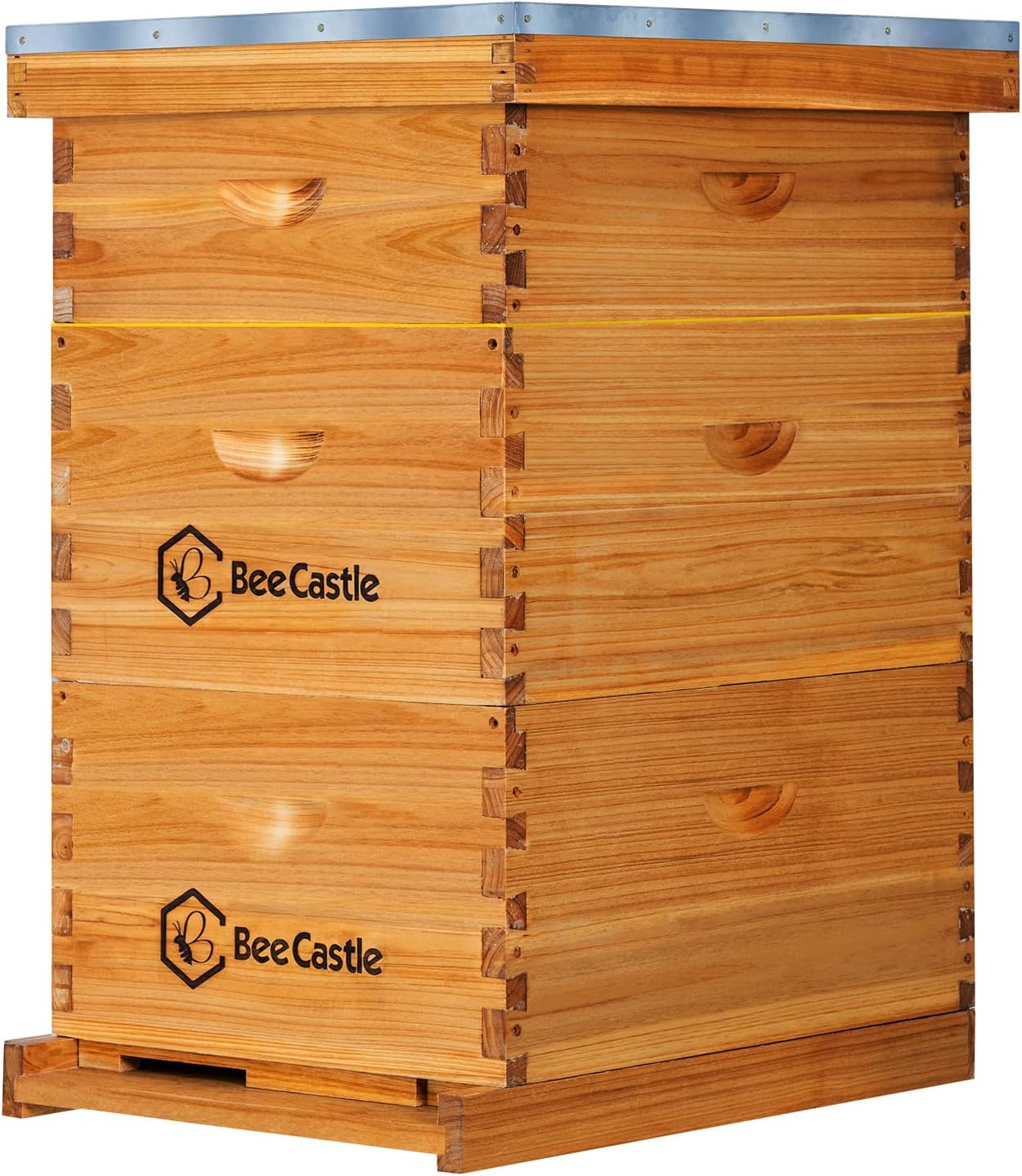
The Langstroth hive is widely available from established beekeeping suppliers like Dadant, Mann Lake, and local beekeeping clubs, typically costing $150–300 for a basic two-box setup. This is the standard beginner hive, and you'll find replacement parts, frames, and accessories everywhere—a huge practical advantage over the Warre hive.
Who Should Choose a Warre Hive
Choose a Warre hive if you’re an experienced beekeeper comfortable with uncertainty, or if you’re willing to accept higher colony loss rates in exchange for a truly hands-off approach. You should also be prepared to monitor your bees’ health through observation and weight checks rather than frame inspection.
A Warre hive makes sense if you have multiple colonies and can afford to lose one or two to disease or starvation while you learn. It’s also reasonable if you’re in a region with low pest pressure and a strong local beekeeping network that can help troubleshoot problems.
Do not choose a Warre hive as your first hive if you want predictable outcomes, or if you’re in an area where varroa mites or foulbrood are active problems. Don’t choose it if you need to harvest significant honey or if you’re the type of beekeeper who wants to understand exactly what’s happening inside the hive. For most beginners, that’s a Langstroth hive situation.