How to Support Pollinators Without Keeping Bees
If you care about bees but aren’t ready to keep a hive—or simply prefer to help from a distance—there’s plenty you can do. Supporting pollinators doesn’t require beekeeping equipment, special skills, or much ongoing maintenance. A few practical changes to your yard and habits can make a real difference for wild bees, butterflies, and other insects that pollinate food crops and wildflowers.
Planting for Pollinators
The single most effective thing you can do is plant flowers that bloom across the growing season. Bees need nectar and pollen from spring through fall, so a yard full of flowers that all bloom in June leaves them hungry the rest of the year.
Start with native plants suited to your region—your local extension office or native plant society can tell you which ones. Native plants evolved alongside local bee species and are usually easier to grow than ornamentals. Plant in clusters of the same flower rather than scattered singles; bees find grouped blooms more efficiently.
Include early bloomers (crocuses, hellebores, pulmonaria), mid-season staples (coneflowers, bee balm, zinnias), and fall bloomers (asters, sedum, goldenrod). Leave some areas unmulched or use coarse mulch; many native bees nest in bare ground or hollow stems. Don’t deadhead everything—let some flowers go to seed, which provides food and nesting material.
Avoid double flowers (those packed with extra petals) because bees can’t reach the pollen inside. Skip hybrid ornamentals bred for appearance rather than nectar production. If you’re unsure what to plant, a pollinator garden seed kit takes the guesswork out by bundling seeds of complementary flowers timed to bloom together.
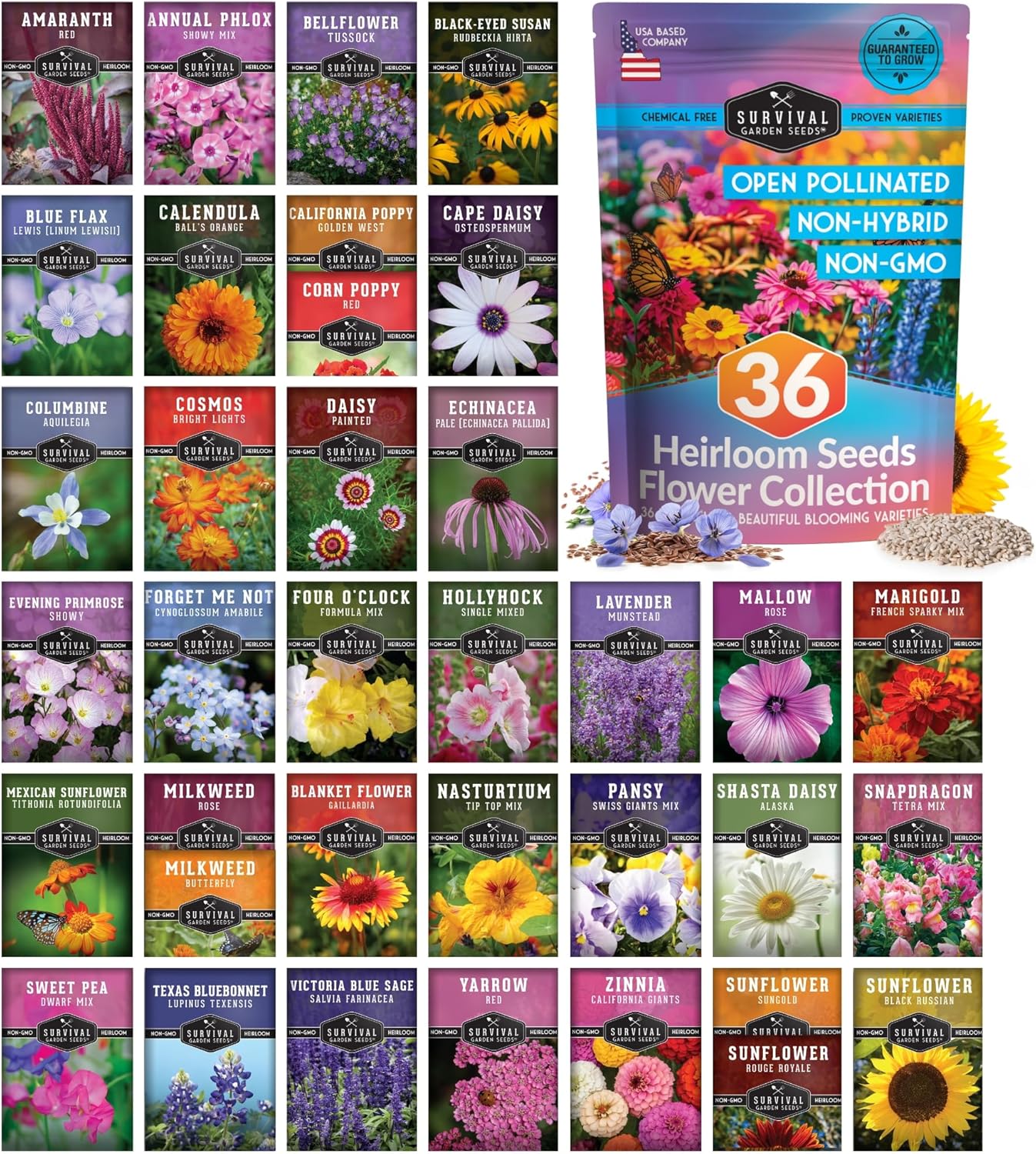
A pollinator garden seed kit bundles seeds of native flowers selected to bloom in succession across the season, eliminating the work of researching what to plant and when. Most kits include clear instructions for your region and are designed so you get blooms from spring through fall without extra effort.
Reducing Pesticide and Herbicide Use
Pesticides kill pollinators directly, and herbicides remove the wildflowers they depend on. You don’t need chemicals to have a healthy yard.
Stop spraying weeds and let some grow. Dandelions, clover, and chickweed are early-season food sources when little else is blooming. Mow less frequently, or leave one section unmowed. Hand-pull problem weeds or use a hoe instead of reaching for a bottle.
For garden pests, tolerate some damage. A few aphids won’t ruin your tomatoes, and they feed beneficial insects. If you must act, use organic methods: spray plants with water to dislodge pests, introduce predatory insects like ladybugs, or apply neem oil as a last resort—but never apply it to open flowers or while bees are actively foraging. Never use neonicotinoid insecticides (check labels)—they’re highly toxic to bees even in tiny amounts.
Avoid “bee-safe” herbicides marketed as pollinator-friendly. They still kill flowering plants bees need. If you use any chemical, apply it in evening when bees are less active, and spot-treat rather than blanket-spray.
Supporting Local Beekeepers Directly
Backyard beekeepers often struggle to make beekeeping sustainable. Buying their honey, beeswax products, or pollination services directly supports them and keeps bees in your community.
Visit farmers’ markets or local beekeeping associations to find producers near you. Ask questions: How do they manage hives? Do they treat for diseases? What’s their philosophy on harvesting? Beekeepers who take time to answer are usually worth supporting.
Buy honey in season (late summer and fall in most regions). Beeswax candles, lip balms, and salves are other good options that support local producers.
If you have fruit trees or a large garden, ask a local beekeeper if they’d place hives on your property. You’ll get free pollination, and they’ll get forage. Some beekeepers offer “hive rental” arrangements. This costs you nothing and directly supports their operation.
Providing Water Sources
Bees need water, especially on hot days, but they drown easily in open bowls or ponds. A simple water source takes five minutes to set up.
Fill a shallow dish (a terracotta saucer works well) with water and add pebbles, marbles, or wine corks so bees can land and drink without falling in. Place it near flowering plants or in a quiet corner of the yard. Refill it every few days, especially in summer. A bee water feeder is a ready-made version that does the same job with less fuss.
Change the water regularly to prevent mosquito breeding. If you have a pond or stream, add a few floating plants or branches so insects have safe landing spots.
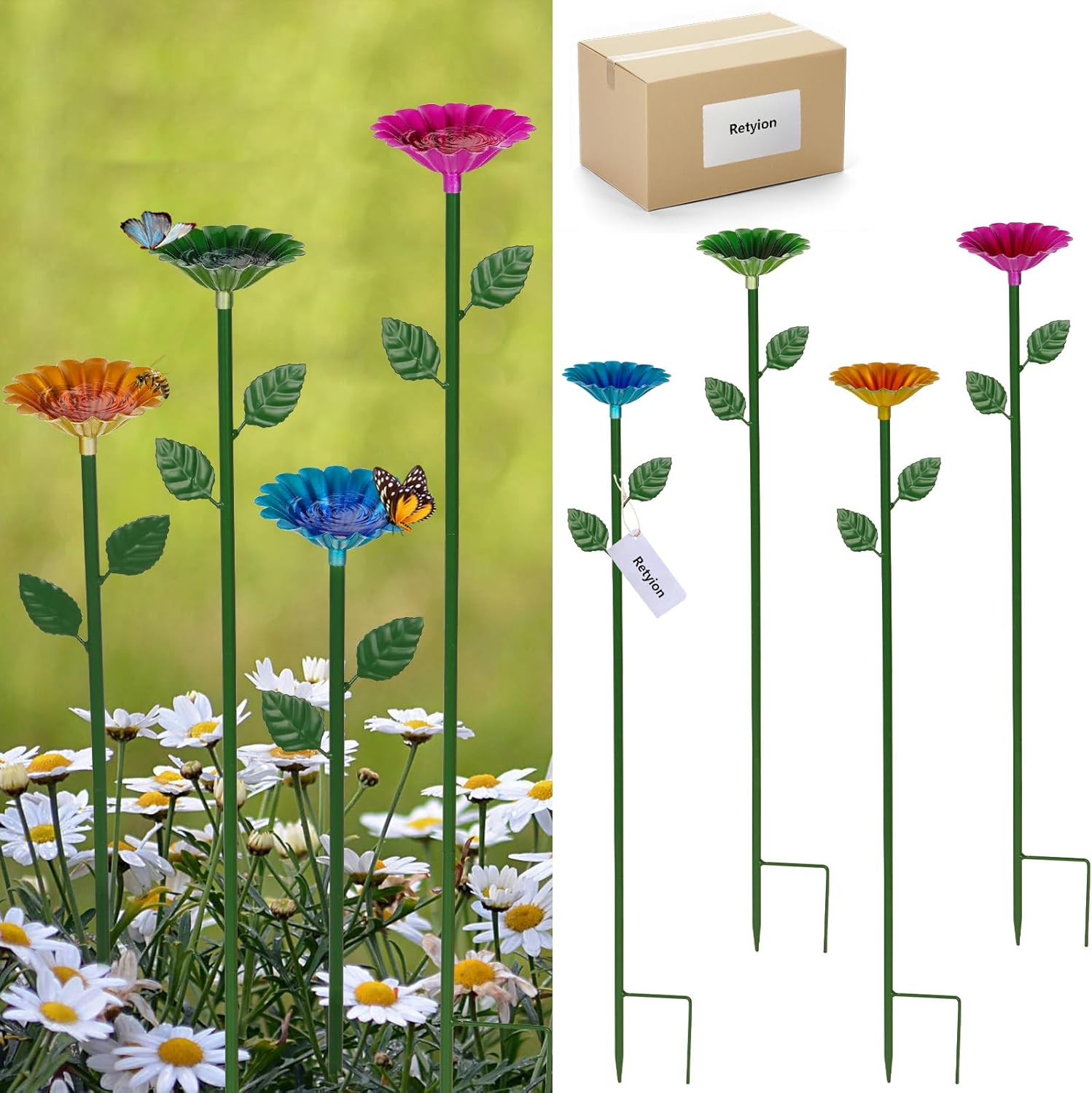
A bee water feeder is a shallow container designed with built-in landing platforms so bees and other insects can drink safely without drowning in open water. It's inexpensive, lasts years, and requires only occasional refilling—a practical way to support pollinators through dry spells.