Manuka Honey Explained
Manuka honey comes from New Zealand bees that pollinate the Manuka bush, and it contains a compound called methylglyoxal (MGO) in much higher levels than regular honey. Beekeepers often ask about it because it’s famous for medicinal properties, but the truth is: you don’t need to produce or buy it to run a successful backyard hive. This guide explains what makes it special, why it’s expensive, and whether it matters for your beekeeping.
What Makes Manuka Honey Different
Manuka honey is defined by its MGO content—a naturally occurring compound that gives it antimicrobial properties stronger than most other honeys. Regular clover or wildflower honey contains about 5–10 mg/kg of MGO; authentic Manuka honey contains at least 300 mg/kg, often much more. This high MGO level is why people use Manuka honey for wound care, sore throats, and digestive issues, though the strength of clinical evidence varies depending on the specific use.
The honey also has a unique flavor—earthy, slightly bitter, with a creamy texture—that some people love and others find too strong. The taste comes from the Manuka bush itself (Leptospermum scoparium), which flowers for only 2–6 weeks per year in New Zealand and Australia. Because the flowering window is so short and the bush grows in specific regions, Manuka honey is scarce and concentrated. A single hive in Manuka country might produce only a few kilograms of pure Manuka honey per season, compared to 20+ kg of regular honey.
Why It’s Not Produced Outside New Zealand/Australia
The Manuka bush grows naturally only in New Zealand and parts of Australia. Beekeepers in other countries have tried planting it, but the plant doesn’t thrive outside its native climate and soil conditions. Even when it does grow elsewhere, bees don’t produce the same MGO levels—the chemistry simply doesn’t work the same way.
This scarcity, combined with strict government-backed compositional standards in New Zealand and Australia that define what qualifies as Manuka honey, keeps supply low and prices high. For a beginner beekeeper outside New Zealand or Australia, producing authentic Manuka honey is impossible—your local bees will make excellent honey from local plants, but it won’t be Manuka.
How to Verify Authenticity
Real Manuka honey is labeled with a UMF (Unique Manuka Factor) rating, which measures MGO content and antimicrobial strength. Look for “UMF 10+,” “UMF 15+,” “UMF 20+,” or higher on the jar. A UMF 10+ rating is commonly cited as a minimum threshold for therapeutic use; higher ratings indicate greater potency and command higher prices.
Authentic UMF-certified Manuka honey will also carry a New Zealand or Australian origin label and often a batch number you can trace back to the producer. If the jar says “Manuka blend,” “Manuka-style,” or just lists a low price with no UMF rating, it’s not authentic. Fake Manuka honey is common online and in discount stores; the easiest defense is to buy from established New Zealand beekeeping organizations or certified retailers that can prove provenance.
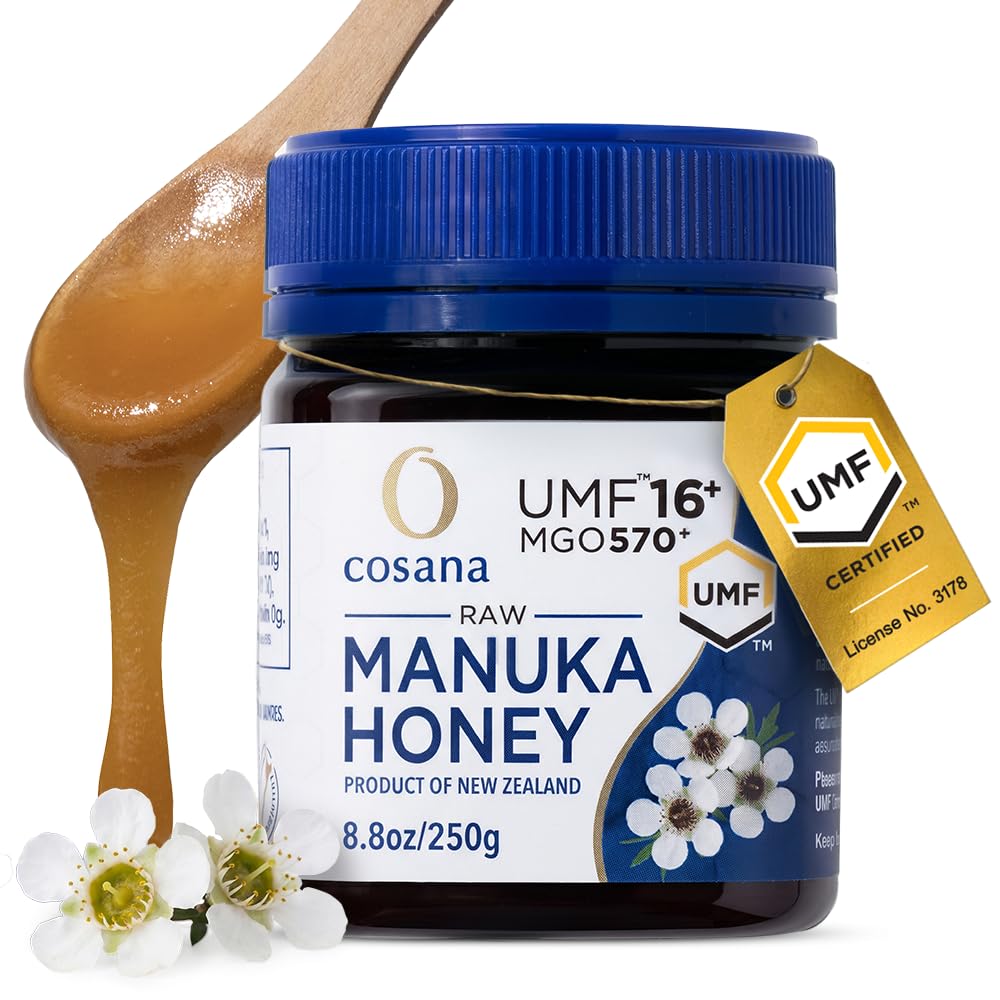
Authentic Manuka honey UMF certified is the only product worth buying if you want genuine Manuka honey; look for UMF 15+ or higher on the label and verify the origin is New Zealand or Australia before purchasing, as counterfeits are common online and in discount retailers.
Whether It’s Worth the Price
For a beginner beekeeper, Manuka honey is not worth buying or chasing. You should focus on producing good local honey from your own hive—it will be fresher, cheaper, and perfectly suited to your area. If you want to buy Manuka honey for personal use, decide based on your budget and whether you believe in its health benefits; its antimicrobial properties are well-documented in laboratory settings, but it is not a miracle cure, and clinical evidence for everyday consumer uses is still developing.
If you’re curious about it as a consumer, a small jar of authentic UMF-certified Manuka honey lasts a long time because you use less of it, but expect to pay a significant premium over regular honey. Local raw honey from a beekeeper near you has its own benefits and costs a fraction of the price. Save Manuka for special occasions or genuine medicinal needs, not everyday use.